
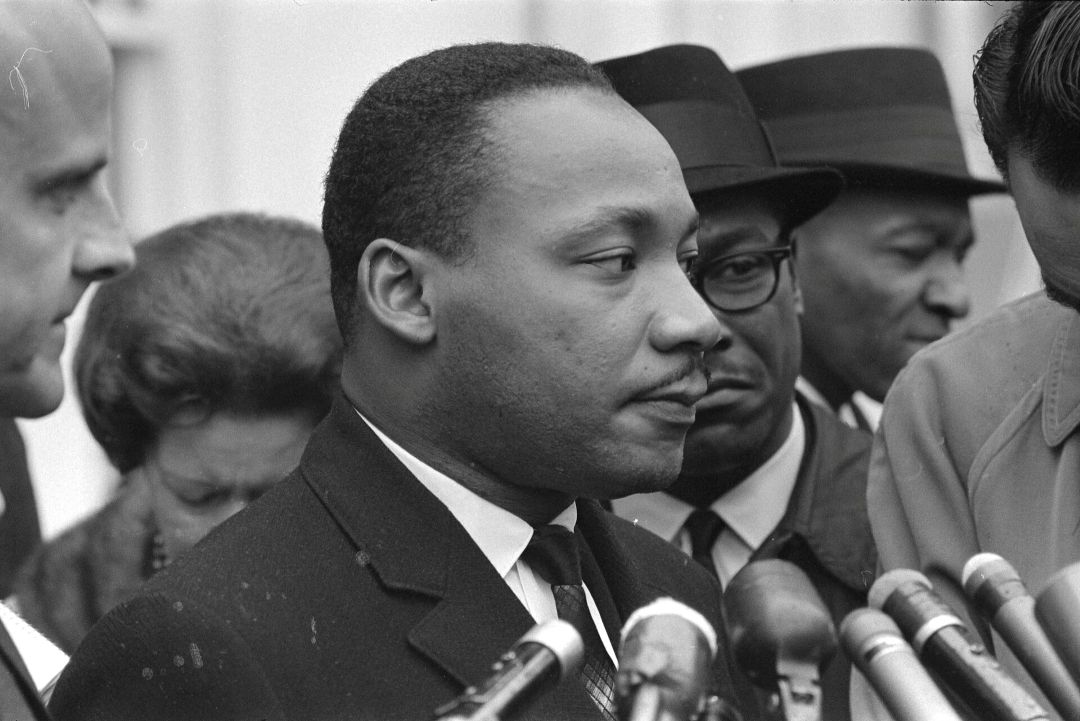
The Trump administration on Monday made public over 240,000 pages of previously sealed FBI records related to the surveillance of Dr. Martin Luther King Jr., despite strong objections from his surviving children and civil rights organizations.
The documents, collected during the 1960s and officially sealed in 1977, were unsealed early after a court order requested by the Justice Department. The release, part of a broader initiative to declassify files tied to major political assassinations of the 1960s, includes FBI leads following King’s death, as well as information on the CIA’s interest in his global activism in the years leading up to his assassination in 1968.
Martin Luther King III and Bernice King, the civil rights leader’s two living children, said they had received early access to the material and were conducting their own review. In a statement, they emphasized the personal and historical sensitivity of the records and called for the public to approach the material with care and perspective. They reiterated long-standing doubts about the official narrative of their father’s death, maintaining that James Earl Ray, the man convicted of the killing, was not solely responsible and may not have been involved at all.
The records shed new light on the FBI’s decades-old campaign to discredit and monitor King and the civil rights movement. J. Edgar Hoover, then director of the FBI, had authorized extensive surveillance of King’s activities, including phone taps, hotel room bugs, and the use of informants. Much of the material collected was aimed at undermining King’s credibility, focusing on his personal life and political affiliations.
The Southern Christian Leadership Conference, the organization King co-founded in 1957, also opposed the release. It cited concerns about how the FBI’s past misconduct, including illegal surveillance, could be misrepresented or used to deflect attention from present-day issues.
Public reaction to the document release was sharply divided. Supporters of former President Donald Trump praised the move as a gesture of transparency. Alveda King, King’s niece and a conservative political figure, expressed gratitude toward Trump. Civil rights activists, however, accused the administration of attempting to distract from political controversies, including renewed scrutiny over its handling of the Jeffrey Epstein investigation.
The King Center, led by Bernice King, issued a separate statement framing the timing of the release as a political maneuver and urged the public to focus on King’s unfinished work on racial and economic justice. The statement noted that attention should be directed toward addressing systemic inequality, not sensationalizing historical surveillance.
While the documents were initially scheduled to remain sealed until 2027, researchers, journalists, and historians have already begun analyzing the newly available material. Their focus will likely include King’s final years, when he shifted his advocacy toward economic inequality and opposition to the Vietnam War—stances that drew increased criticism from political leaders and federal agencies.
The King family, while supportive of transparency, stressed that any revelations should be used to advance justice, not tarnish a legacy shaped by peaceful resistance and moral leadership. They said they would continue examining the records to determine whether they provide meaningful insights beyond the conclusions already accepted by the family, including the 1999 civil jury finding that King was the victim of a conspiracy.