Gun Background Checks and the Brady Act
A plain-English guide to the Brady Handgun Violence Prevention Act, the NICS system, and who is prohibited from buying a firearm.
Thanks to his desire to impress a young actress, in March of 1981 John Hinckley attempted to assassinate then-President Ronald Reagan using a legally licensed gun he had been able to easily purchase — despite having been institutionalized for mental illness several times and having prior firearms-related arrests.
Fortunately, he did not succeed. But James Brady, Reagan’s White House Press Secretary, was seriously wounded and remained disabled for the rest of his life. Hinckley was found not guilty by reason of insanity.
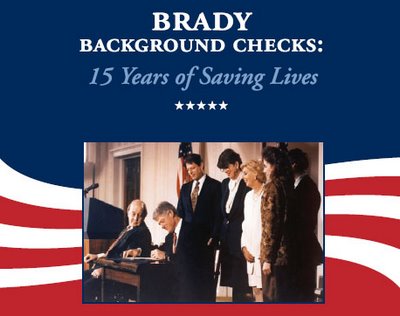
The Brady Handgun Violence Prevention Act was enacted in the former press secretary’s name in 1994. Its central provision: anyone wishing to purchase a firearm must undergo a background check first — a requirement that applies to every licensed firearms sale in every state.
A background check is performed through the National Instant Criminal Background Check System (NICS), run by the federal government. It is available to licensed dealers and pawnbrokers seven days a week, every day of the year except Christmas and Thanksgiving.
Who the Brady Act Disqualifies
Nine categories of persons prohibited from purchasing a firearm
Convicted felons, or those currently under indictment for a felony
Known fugitives from justice in any state
Individuals dishonorably discharged from military service
Unlawful drug users, and convicted drug addicts or dealers
Anyone ever involuntarily committed to a mental institution, or legally declared mentally incompetent
Illegal aliens, and legal aliens admitted on a non-immigrant visa such as a temporary work permit or student visa
Anyone who has officially renounced their American citizenship
Persons convicted of a misdemeanor domestic violence offense
Persons subject to certain domestic violence restraining orders
Every check runs through NICS for both long rifles and handguns. Once someone is disqualified, that record is added to the database — so the next dealer they approach sees the denial instantly.
Penalties for a dealer who knowingly sells to a disqualified buyer are severe, so expecting a reputable dealer to skip the check for a quick sale is unrealistic. The same harsh penalties apply to a qualified buyer who purchases a firearm on behalf of someone who isn’t — a “straw purchase” — whether or not money changes hands.
Who Runs Your Background Check?
Depends on your state — the FBI directly, or a state Point of Contact (POC)
FBI Conducts the Check
Alaska
American Samoa
Arizona
Arkansas
Delaware
District of Columbia
Georgia
Guam
Idaho
Indiana
Kansas
Kentucky
Louisiana
Maine
Massachusetts
Minnesota
Mississippi
Missouri
Montana
New Mexico
New York
North Dakota
Northern Mariana Islands
Ohio
Oklahoma
Puerto Rico
Rhode Island
South Carolina
South Dakota
Texas
Vermont
Virgin Islands
West Virginia
Wyoming
State Is Full Point of Contact
Colorado
Connecticut
Florida
Hawaii
Illinois
Nevada
New Jersey
Oregon
Pennsylvania
Tennessee
Utah
Virginia
A handful of states split the job by firearm type:
| State | Handguns | Long Guns |
|---|---|---|
| Iowa | State permit (POC) | FBI |
| Maryland | MD State Police (handguns & assault weapons) | FBI (also pawn redemptions) |
| Michigan | State permit (POC) | FBI |
| Nebraska | State permit (POC) | FBI |
| New Hampshire | NH Dept. of Safety | FBI |
| North Carolina | State permit (POC) | FBI |
| Washington | Chief law enforcement officer | FBI (also pawn redemptions) |
| Wisconsin | WI Dept. of Justice | FBI |
Point-of-contact designations change periodically.
Check the ATF list »